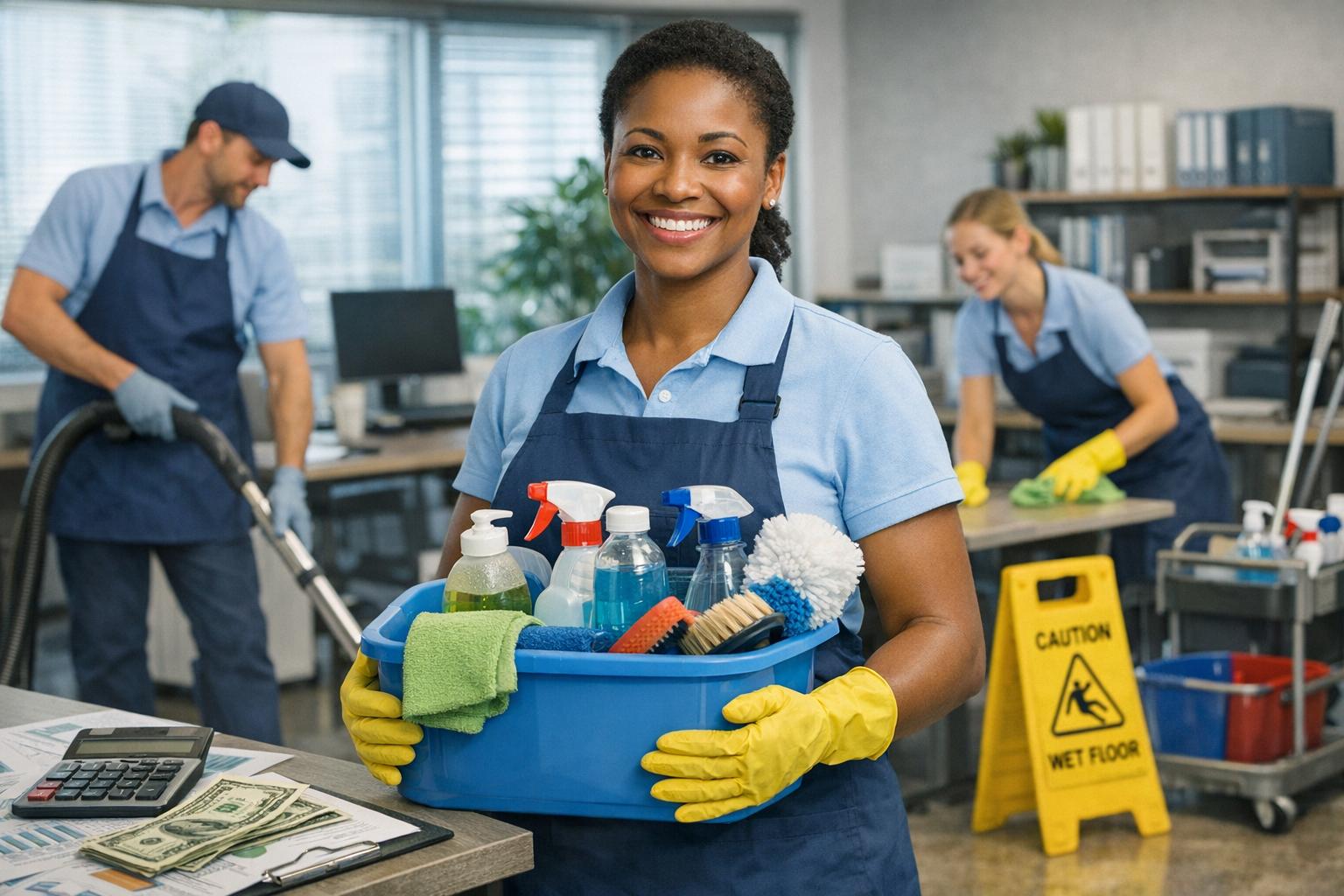
Cleaning services sit in a funny spot: everyone needs them, and almost nobody thinks about the business side until something goes wrong (like the bathroom not getting disinfected the way it should). Behind the scenes, though, the cleaning service industry is a practical, service-heavy operation with real operational constraints—labor, scheduling, compliance, equipment, and repeat customers.
This article expands on how the cleaning service business works, what types of services exist, how companies price and run operations, and what tends to make providers succeed over the long haul. I’ll keep it business-focused and readable, assuming you already know the basics of cleaning or facilities work.
How the Cleaning Service Industry Fits Into Facilities and Maintenance
Cleaning services are part of a larger set of services that keep buildings safe, usable, and presentable. People often group “cleaning” with “maintenance,” but the operational differences matter. Maintenance typically fixes or replaces things; cleaning maintains hygiene and appearance. In practice, clients mix both, especially in commercial sites.
The client base is broad: residential homeowners and tenants, property managers, offices, schools, hospitals, hotels, warehouses, and factories. Each segment has different standards, different access rules, and different consequences if the job falls short.
Demand is supported by ongoing structural factors such as urbanization (more buildings, more turnover), health awareness (stronger hygiene expectations), and outsourcing (businesses often prefer vendors over internal teams). Regulatory requirements also matter—especially in healthcare, food service, and workplaces with chemical exposure or hazardous waste.
Core Service Lines You’ll See in the Market
Most cleaning businesses fall into a handful of service categories. Many providers expand across categories once they’ve built staffing, equipment, and processes that can handle the workload.
Routine Interior Cleaning (Residential and Commercial)
This is the most common starting point. Residential routine cleaning usually focuses on kitchens, bathrooms, floors, dusting, and general tidying. Commercial routine cleaning often looks similar—except it may run at night, on fixed schedules, and with tighter accountability.
On the commercial side, restroom sanitation, waste removal, and floor care typically get extra attention because they affect hygiene compliance and customer/employee experience. In many contracts, managers want consistent cleaning every shift, not “whenever someone gets to it.”
Deep Cleaning and Special Sessions
Deep cleaning is a separate offer because it takes longer and requires different workflows. It’s common for move-ins/move-outs, post-renovation cleanups, and homes that haven’t had regular help.
In commercial settings, deep cleaning may be scheduled seasonally or after high-traffic events. The operational twist is that these jobs still need to work around business hours, client access, and safety rules.
Exterior Cleaning and Property Maintenance Neighbor Services
Pressure washing, window cleaning, and exterior detail cleaning live close to the cleaning category because they’re often performed by the same vendors. But the equipment and safety considerations are different.
Pressure washing can blur into “maintenance work” depending on the surfaces and results expected. Contractors also need to watch runoff, surface damage risk, and slip hazards in public areas. Window cleaning at height brings training and fall-protection requirements into the conversation.
Specialized Sanitation and High-Standard Disinfection
Some cleaning businesses focus heavily on disinfection—especially where infection control matters, such as healthcare facilities, labs, and certain clean environments.
These providers often use approved disinfectants and follow documented procedures. Client trust here isn’t just about “looks clean,” it’s about whether chemicals, contact times, and protocols match what the facility requires.
Types of Cleaning Services (With Real-World Differences)
Residential Cleaning: Pricing, Trust, and Repeat Visits
Residential cleaning is mostly about scheduling and reliability with a human twist. Cleaners work inside someone’s home, which means trust and communication are part of the service.
Common residential offerings include:
- Standard or “regular” cleaning (floors, dusting, bathrooms, kitchen touchpoints)
- Deep cleaning (harder-to-reach areas, more time for detail work)
- Move-in/move-out cleaning (often tied to contracts or inspections)
- Post-renovation cleaning (dust control and debris removal)
Pricing structure typically comes down to property size, number of rooms, and job intensity. Many providers charge either hourly rates or flat fees per visit. The simplest model for customers is flat fees, but it’s only profitable if the business can estimate time accurately.
Residential cleaning also benefits from repeat scheduling. Homeowners who book monthly or biweekly sessions usually expect consistent results, so workforce planning isn’t optional—it’s the whole game.
Commercial Cleaning: Contracts, Access Times, and Service Level Agreements
Commercial cleaning often runs on contracts, not one-off requests. Workdays can be split into daytime and after-hours cleaning, depending on the site.
Typical tasks include waste removal, restroom sanitation, floor care, surface disinfection, and restocking consumables. Commercial clients frequently care about continuity: the restroom should look the same on day 30 as it did on day 1.
Commercial contracts often include service level agreements that specify what gets done, how often it gets done, and how client managers verify completion. Performance may be measured through inspections, checklists, and compliance requirements related to health and safety.
Another detail that matters: schedule constraints. A provider bidding for a school district or hospital can’t just “pick a time.” Access windows, security procedures, and safety rules define when work is possible.
Industrial Cleaning: Safety, Equipment, and Compliance
Industrial cleaning goes beyond “usual dirt.” It may involve heavy dust, equipment buildup, spills, and residue that can’t just be wiped away with a standard product.
Common industrial cleaning scopes include equipment cleaning, warehouse dust control, high-level dust removal, chemical spill management, and hazardous waste handling (depending on licensing and vendor capabilities).
Industrial jobs require trained staff and protective equipment, and they often require strict compliance with workplace safety. A cleaning plan here isn’t paperwork for the sake of paperwork—it’s part of preventing accidents, worker exposure, and environmental harm.
Regulatory compliance is particularly important. If you store, transport, or dispose of waste incorrectly, or if you use chemicals without following applicable rules, the consequences can hit both the cleaning provider and the client. In other words: “we thought it was fine” does not fly with regulators.
Specialized Cleaning: Certifications, Disinfectants, and Approved Procedures
Specialized cleaning includes medical facility sanitation, lab and workspace cleaning, cleanroom support, and biohazard remediation.
These services often require certification and technical training. They also need approved disinfectants and documented procedures. In many cases, the client wants proof of training and chemicals used, plus proof that required steps were followed.
Other specialist areas include carpet and upholstery cleaning, window cleaning at height, pressure washing for exterior surfaces, and post-construction cleanup. These categories usually drive equipment purchases and crew training, which is why many small providers expand cautiously.
Business Models: How Companies Structure Growth
Cleaning businesses can look similar on paper but operate differently in practice. The right model depends on target customers, staffing approach, and the level of specialization you plan to deliver.
Independent Operators and Small Crews
Many residential cleaning services start as sole proprietorships. The initial barrier can be relatively low because basic equipment and supplies are accessible.
However, growth becomes harder when the operator becomes the bottleneck. If the business depends on one person to supervise and manage jobs, scaling past local demand can stall. The solution is often hiring trustworthy supervisors or standardizing routines so new staff can match existing quality.
Small and Medium-Sized Enterprises (SMEs)
SMEs usually add structure: multiple teams, supervisors, and scheduling systems. Commercial contracts are often the next step because they provide recurring revenue.
These companies improve margins by reducing downtime between jobs and by standardizing training. The goal is simple: deliver consistent service at a predictable labor cost.
Franchises
Franchising can be attractive because it offers branding, playbooks, and marketing support. In return, franchisees pay fees and follow standardized procedures.
For buyers, the practical question is whether the franchise system fits the local market and whether the fees still allow profitable execution. A franchise with strong brand recognition can win contracts faster, but operating costs can also be higher due to required supplies and process requirements.
Large Corporations and Multi-Site Providers
Larger providers bid on major commercial and government contracts. They often operate across multiple locations, which helps in workforce management and procurement.
Scale can reduce per-unit labor costs and improve tender competitiveness. The tradeoff is complexity: more sites to manage, more reporting requirements, and more work to maintain consistent service quality across teams.
Startup Requirements and Initial Investment (What Actually Costs Money)
Cleaning is often treated like a low-cost business because the entry point for basic residential work can be affordable. But “affordable to start” doesn’t mean “cheap to run well.” Costs show up quickly once you add payroll, insurance, vehicles, and time spent fixing mistakes.
Equipment and Supplies for Residential Work
Basic tools typically include vacuum cleaners, mops, microfiber cloths, cleaning solutions, and protective gloves. Transportation matters too, since cleaners must reach client locations.
The equipment that seems optional at first often becomes mandatory later—like higher-quality vacuums, more durable cloth systems, and reliable chemical storage practices. You can start small, but you still need enough consistency to build repeat business.
Commercial and Industrial Equipment and Safety Gear
As soon as you move into heavier commercial work, equipment needs change. You may need floor scrubbers, carpet extractors, pressure washers, scaffolding or ladders (with proper safety controls), and specialized protective gear.
Insurance becomes non-negotiable: liability coverage for property damage, injury, and claims. Contracting clients also often require proof of coverage before they sign or even before you enter the site.
Registration, Labor Compliance, and Chemical Handling
Business registration and compliance requirements vary by location, but most jurisdictions require some form of licensing and business filings. You also need to align with labor regulations—payroll taxes, worker classification, and workplace safety rules.
If your work involves chemical products, you’ll typically have obligations around storage, labeling, and safe handling. Some categories may require extra documentation or training records. It’s not glamorous, but it keeps you out of trouble.
Pricing and Revenue Management: Don’t Guess
Cleaning can be a spreadsheet business as much as it is a service business. Most profitability issues happen because companies price based on hope rather than time study.
Common Pricing Methods
Residential cleaning frequently uses:
- Hourly rates (simple to explain, harder to control if staff time drifts)
- Flat fees (cleaner for customers, requires accurate time and scope estimation)
Commercial cleaning is often priced per square foot or through bids based on site assessments. Some providers build bids using standard checklists and labor-hour models. Others price based on historical labor performance at similar sites.
Cost Estimation Components
An accurate cost model usually includes labor (including travel or setup time), supplies, transportation, insurance, administrative overhead, and equipment depreciation and maintenance.
Accurate cost estimation matters for one more reason: cleanup businesses often have hidden time. For example, if a team must coordinate access with a security gate, or if client areas aren’t ready when the crew arrives, labor time still gets paid. If the pricing doesn’t include that reality, margin disappears quietly.
Recurring Revenue and Cash Flow Stability
Recurring contracts—weekly, biweekly, monthly—help stabilize cash flow. Many providers prefer these arrangements because forecasting labor needs becomes more manageable.
Seasonality also affects scheduling. Exterior washing, post-event cleanup, and seasonal deep cleaning often spike at predictable times. The businesses that treat seasonality as a planning problem rather than a panic problem tend to run more smoothly.
Workforce Management and Training
Labor is the largest cost for most cleaning services. Even if you have great pricing and equipment, you still need staff that shows up, follows instructions, and doesn’t “wing it” on chemicals and procedures.
Hiring and Retention
In competitive labor markets, hiring reliable workers can take time. Turnover pushes up costs because onboarding and training always repeat. Turnover also affects service consistency, which then affects customer retention—so it’s not a one-time cost, it’s a loop.
Training for Consistency and Compliance
Training systems help ensure consistent cleaning outcomes and compliance with safety expectations. Staff training often covers:
- Proper chemical usage (including dilution and contact times)
- Safe use of equipment (including floor machines and extractors)
- Protocols for handling potentially hazardous materials
- Customer communication and issue reporting
In healthcare and laboratories, training may include infection control procedures and waste disposal rules. This isn’t just for “looks.” These clients often require documentation and adherence to standards.
Quality Control: Inspections, Checklists, and Proof of Work
Quality control systems help maintain standards across multiple customers and multiple crews. Some companies use digital checklists, photos, and mobile reporting.
Inspections and feedback loops matter because cleaning is partly perception. If a client sees a spot missed on the first visit, they’ll assume the rest is similar. That perception is hard to fix after the fact, so prevention is the better move.
For recurring contracts, it’s also common to track recurring complaints. If the same issue appears three times, the fix may not be “try harder.” It may be training, workflow changes, or better tools.
Marketing and Client Acquisition: How Cleaning Businesses Win Contracts
Marketing in cleaning is often practical rather than fancy. Most deals come from local marketing, referrals, and procurement processes for commercial clients.
Residential Marketing: Reviews and Repeat Trust
Residential providers often rely on online directories, local advertising, social media, and word-of-mouth. Customer reviews can be especially important because residential cleaning depends heavily on trust.
When the brand promise is “reliable cleaners who do a good job,” reviews act like proof. Businesses that respond to review concerns calmly and professionally often protect their reputation. It’s boring, yes, but it works.
Commercial Sales: Bids, Proposals, and Operational Clarity
Commercial cleaning frequently uses requests for proposals. These bids outline cleaning requirements, access hours, and performance expectations.
In proposals, clients usually want concrete operational detail: capabilities, staffing approach, insurance, references, and a plan for meeting the schedule.
Proof of operational readiness can strengthen bids. For example, showing how supervisors inspect work or how issues get handled after hours can reduce client risk.
Positioning: Service Type, Reliability, and Responsible Chemical Use
Companies often differentiate based on reliability, specialized cleaning skills, and responsible product usage. Some providers offer green cleaning methods using environmentally friendlier products and processes.
That differentiation only matters if it’s credible and supported by actual practices. Clients may ask what chemicals get used, what safety steps are followed, and whether the provider can document compliance.
Technology and Process Improvement
Technology in cleaning usually doesn’t replace labor. It supports coordination, tracking, scheduling, and reporting. That’s not glamorous, but it reduces waste and improves consistency.
Scheduling, Dispatch, and Team Coordination
Digital scheduling tools can coordinate staff assignments, reduce missed appointments, and keep jobs organized. For providers with multiple teams, proper dispatching makes a noticeable difference to labor costs and customer satisfaction.
Mobile Reporting and Proof of Completion
Mobile apps can help field staff complete checklists, receive updates, and report issues in real time. Some businesses also store photo documentation or job notes for quality tracking and dispute resolution.
Equipment Advances and Efficiency Gains
Automated floor scrubbers, improved robotic vacuum systems, and electrostatic sprayers can reduce time for certain repetitive tasks. The benefit is usually speed and coverage consistency.
Chemical innovation also matters. Newer products can improve cleaning effectiveness, reduce toxicity compared to older formulas, and sometimes reduce the number of steps required. In healthcare and lab environments, disinfection technology improvements can also reduce time while maintaining compliance.
Regulatory, Safety, and Risk Management
Cleaning is physical work with chemical exposure potential. Because of that, safety compliance must be designed into operations, not treated as an afterthought.
Occupational Safety and Chemical Handling
Cleaning providers typically need to follow occupational safety regulations and labor laws. Staff must understand chemical handling requirements, labeling expectations, and personal protective equipment usage.
Noncompliance can lead to fines, contract termination, or incidents that are expensive in more than one way—medical costs, downtime, and legal disputes all happen quickly.
Site Access Rules and Background Checks
Commercial and healthcare clients may require background checks for cleaning staff. Offices and sensitive environments may also impose data privacy concerns if staff access includes administrative areas.
Professional conduct matters here. Even if your cleaning work is excellent, mishandled access procedures can end a contract.
Environmental Regulations and Waste Disposal
Waste disposal and chemical storage are often governed by environmental regulations. Soap, chemical runoff, and hazardous waste handling in industrial settings can trigger stricter controls.
Increasingly, large organizations want documented compliance on procurement criteria. That means providers may need to show policies, procedures, and sometimes documentation tied to sustainability expectations.
Challenges That Commonly Slow Down Growth
Every cleaning business meets the same friction points at some stage. The winners aren’t the ones without problems—they’re the ones that manage them systematically.
Competition and Price Pressure
Low entry barriers in some residential segments can increase competition. When too many providers chase the same customers, pricing drops and margins tighten.
Price pressure also affects quality if the business underestimates time. Cutting corners on training or skipping steps can create a cycle: poor reviews reduce demand stability, which then encourages further cost cutting. It’s not a moral issue, it’s a math issue.
Labor Shortages and Turnover
Labor availability influences staffing schedules and consistency. When turnover happens repeatedly, customers notice. Some clients even switch providers because inconsistency creates ongoing friction (missed cleaning areas, inconsistent attention to bathrooms, delayed supplies restocking).
Injury and Liability Risks
Injuries can occur from slips, trips, awkward lifting, chemical exposure, or equipment misuse. Property damage can happen during floor care or carpet cleaning if the tools or chemicals aren’t suitable.
Comprehensive insurance and risk management procedures reduce risk. However, insurance doesn’t replace safe operations. If you ignore safety because “insurance will cover it,” you’ll still deal with claims, downtime, and the client relationship fallout.
Client Expectations and Service Consistency
Clients often expect responsiveness and the “same level every time” experience. If a business can’t maintain consistency across staff and schedules, expectations will gradually rise and patience will fall.
The fix isn’t always hiring more people. Sometimes it’s refining checklists, improving training, standardizing supplies, and setting realistic scope boundaries.
Growth Opportunities and Future Outlook
The cleaning industry continues to grow, but growth doesn’t automatically mean bigger revenue. It means better forecasting, better delivery, and smarter positioning.
Health-Driven Demand
Health awareness tends to increase demand for professional sanitation services. The demand isn’t only about emergency disinfection; it also shows up as stronger expectations around routine hygiene and cleanliness verification.
Facilities with high occupancy—schools, offices, healthcare, hospitality—often maintain higher cleaning standards because the risk of contamination and complaints is consistent.
Outsourcing That Keeps Going
Businesses often outsource cleaning because it’s a way to control operational costs and reduce administrative load. That outsourcing trend usually persists, especially where companies can’t justify maintaining internal cleaning staff.
Green Cleaning and Documented Practices
Environmental sustainability can differentiate a provider, but the differentiator has to be practical. Many clients want proof: what products are used, what safety steps are followed, and what waste disposal process is in place.
Providers that use documented procedures for product selection and training can win institutional clients that require procurement compliance.
Technology Integration for Efficiency and Accountability
Automation and digital management systems help reduce waste and improve transparency. Scheduling tools reduce last-minute chaos. Mobile checklists reduce disputes and improve training feedback.
Over time, providers that invest in process improvements often run with more predictability. Predictability helps with pricing, staffing, and retention.
What Separates Average Cleaning Vendors From Reliable Ones
In practice, the best cleaning vendors tend to do a few things consistently, even when business is busy.
They price based on time and scope, not vibes
They know how long specific tasks take on specific surfaces and in specific environments. That knowledge improves bid accuracy and helps keep margins from getting wrecked by “quick fixes” that aren’t quick at all.
They train for consistency, not just basic cleaning
Employees may know how to clean, but consistency requires procedures: chemical usage rules, equipment handling standards, and inspection routines.
They manage quality with repeatable systems
Inspections, checklists, and feedback loops reduce missed steps. Over time, this improves customer satisfaction and reduces rework.
They handle compliance as part of delivery
Safety and regulatory requirements show up in daily operations—PPE use, chemical storage, waste handling, and documentation where needed. If compliance is an afterthought, it will eventually become an expensive problem.
Operational Example: How a Commercial Night Cleaning Contract Usually Works
A typical commercial night cleaning job at an office might start with a walkthrough and a scope document: what areas get cleaned, what frequency applies, and what supply restocking expectations exist. A supervisor confirms equipment needs and access times.
During the shift, cleaners follow checklists. Bathroom sanitation, floor care, trash removal, and surface wiping are done in a planned order so chemicals have time to work and the team isn’t constantly moving around. After work, the supervisor completes verification steps—often including a checklist and a client-facing report depending on contract requirements.
If the client reports a missed area, the provider doesn’t just send someone back. They also check whether the miss points to a training gap, a checklist problem, an equipment choice issue, or an access delay that caused rushing. That’s the difference between “more work” and “fixing the process.”
Operational Example: Residential Cleaning With Flat Rate Pricing
Flat rate pricing sounds simple to customers: you pay one amount based on home size and service type. The business side is more delicate.
Successful residential providers typically develop time models for different home sizes and layouts. They also use clear definitions in the service scope. If a client requests extra detail work or unusual tasks, the provider charges accordingly rather than quietly absorbing the time.
Over time, these providers learn where time gets lost: cluttered kitchens, neglected bathrooms, tight access, heavy pet hair, or stubborn grime. When that knowledge is used to adjust estimates and scopes, flat fee pricing stays profitable instead of turning into a slow leak.
Costs vs. Profit: A Practical Way to Think About Unit Economics
In most cleaning service businesses, profit comes down to unit economics: how much labor and overhead your teams spend per job, compared to the price charged, after accounting for inefficiencies.
Common inefficiency sources include travel time, waiting for access codes, rescheduling due to client delays, and re-cleaning when quality misses occur. Each inefficiency can be small, but together they change the math.
Businesses that manage unit economics tend to keep tighter control of scheduling, define clear scope boundaries, and track time. They also adjust staffing levels based on demand patterns and crew performance rather than guessing.
Conclusion
The cleaning service business is diverse, hands-on, and quietly demanding. It serves homes and workplaces while meeting hygiene expectations and compliance rules that vary by industry. Residential cleaning depends on trust, consistency, and scheduling reliability. Commercial and industrial cleaning depend on contract structure, safe operations, documentation, and service verification.
Long-term success isn’t about having the most equipment or the loudest ads. It’s about estimating costs accurately, training teams for repeatable results, managing workforce stability, and handling regulatory and safety requirements as part of normal delivery. If you can do those things, the cleaning industry offers a steady path to building a durable service business—one job at a time, hopefully without the “extra surprise bathroom stains” episode.